
Sarah Bernhardt and the Performance of Narcissism: A Study in Self-Obsession and Control
Sarah Bernhardt was not just an actress; she was a self-constructed spectacle. Dubbed "The Divine Sarah," she dominated the theater world of the late 19th and early 20th centuries with an intoxicating mix of charisma, manipulation, and relentless self-promotion. Whether she was truly a genius or merely an expert in self-mythologizing is a question that lingers in her legacy.
While many biographers paint Bernhardt as a trailblazer, she also serves as a case study in the narcissistic personality archetype. Her life was an endless performance, not just on stage but in every personal and professional relationship she cultivated. She controlled her public image with a near-militant grip, demanded unwavering admiration, and was ruthless toward those who failed to meet her standards of loyalty.
If modern narcissists craft their personas through social media, Bernhardt did it in real life, long before Instagram gave self-absorbed personalities an easy platform. But unlike today’s influencers, she left behind a more complex question: Was her talent enough to justify her egotism, or was her career built more on image than substance?
1. Grandiosity and Self-Mythologizing
Sarah Bernhardt was a master of reinvention, and like many narcissists, she ensured that her version of the truth was the only one that mattered.
She embellished or outright fabricated details about her life to make herself seem more aristocratic, mysterious, and irreplaceable.
She routinely made outrageous claims about her talents, once stating, “I do not die, I vanish,” as though mortality itself should bow before her.
She crafted a larger-than-life narrative, where even her own tragedies and misfortunes were dramatized to keep the public enthralled.
This is classic grandiose narcissism—not merely confidence but an inflated self-perception so extreme that reality becomes secondary. Narcissists are notoriously averse to objective truth, preferring to mold it into something that benefits them.
For Bernhardt, the myth mattered more than the woman. And because she was an exceptional manipulator of perception, she succeeded in convincing the world that she was irreplaceable.
2. The Exploitation of Devotion
Bernhardt demanded not just admiration but absolute loyalty from those around her. She viewed affection as transactional—to be given when useful and revoked when no longer needed.
She discarded lovers, friends, and collaborators when they ceased to be valuable, often with dramatic and public displays of rejection.
Her relationships were highly exploitative, often rooted in emotional blackmail, with guilt and obligation used as control mechanisms.
She cultivated powerful benefactors and then severed ties when they ceased to serve her, always ensuring she controlled the narrative of the split.
While this kind of ruthlessness is often admired in powerful men, it is rarely as romantic as it is often portrayed. Bernhardt did not maintain relationships—she curated them, kept them as long as they served her, and discarded them without remorse.
This is a classic behavior pattern in narcissists: Loyalty is expected but never reciprocated in equal measure.
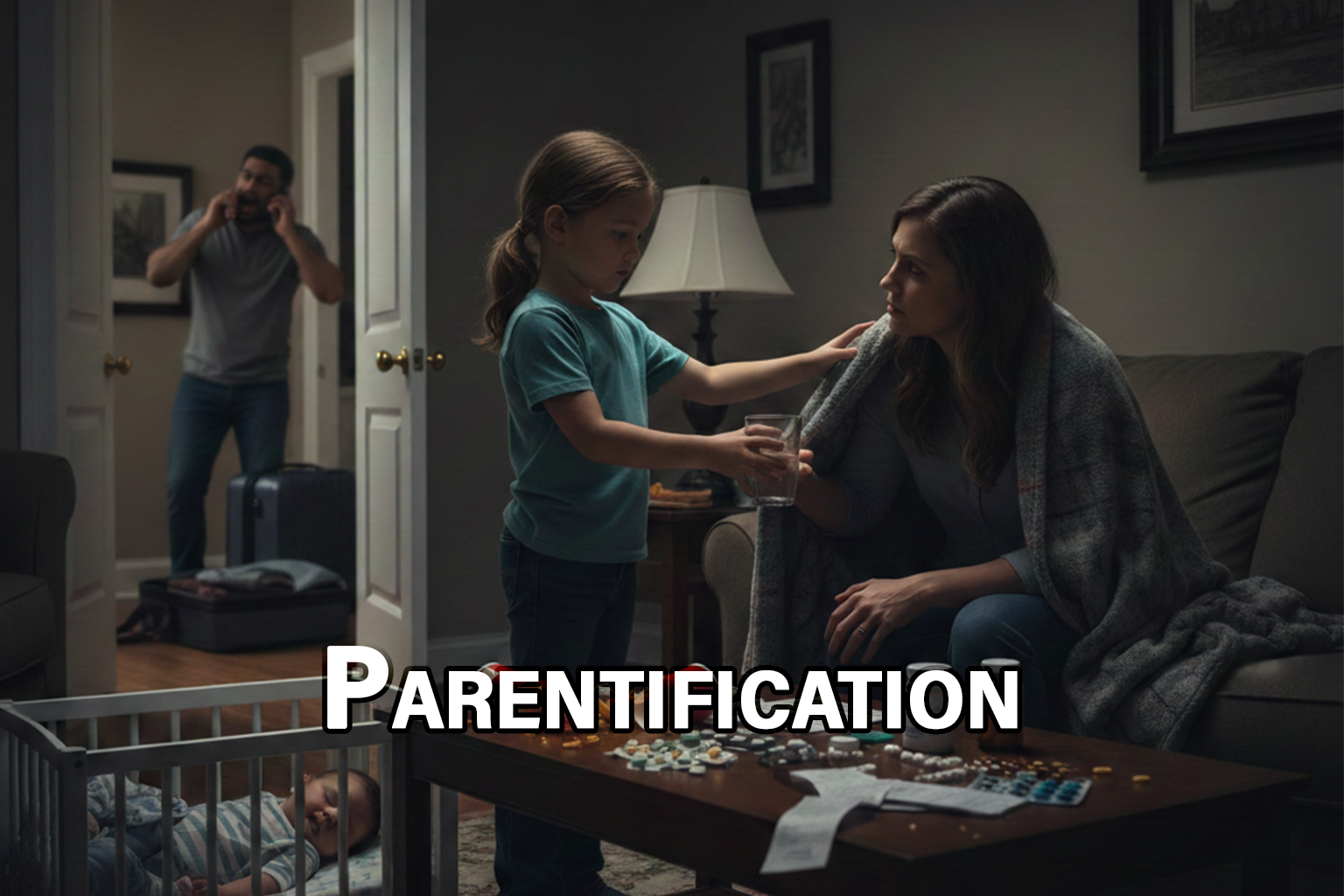




Explore how narcissists weaponize cognitive dissonance and external loci of control in family court. Learn how false allegations, parental alienation, and litigation abuse destabilize justice—and how victims can fight back with forensic documentation and accountability.

Discover how narcissists create cognitive dissonance by projecting control yet blaming external forces. Explore the psychology, philosophy, and consequences of their reliance on external loci of control.

Covert narcissistic mothers often weaponize haircuts to de-gender their children, undermining paternal authority, sabotaging bonding, and inflicting psychological abuse without bruises. This subtle but destructive tactic fosters alienation, gaslighting, and identity sabotage—leaving scars that ripple through generations.

Most survivors don’t stay silent because they don’t care. They stay silent because they don’t have the words. Psychological abuse thrives in confusion—and that’s why naming it is revolutionary. Once you know the terms, you stop questioning yourself and start recognizing the pattern. That’s where healing begins—and where The Abuse Log turns language into power.





Communication is the foundation of any healthy relationship. Whether in romantic partnerships, friendships, or family dynamics, open dialogue is essential for trust, connection, and resolution of conflicts. However, one of the most damaging communication tactics is the silent treatment. This form of emotional withholding can create deep wounds, foster resentment, and erode the very foundation of the relationship.


3. The Manipulation of Image and Emotion
A skilled narcissist understands that managing perception is everything, and Bernhardt mastered this art with chilling precision.
She frequently played the victim when it suited her, portraying herself as a wronged woman even when she was the one causing harm.
She manipulated the press with shocking statements, ensuring she was always in the public consciousness, whether for controversy or praise.
She was theatrical in everyday life, going so far as to sleep in a coffin to craft an image of tragic beauty.
In many ways, Bernhardt prefigured the performative narcissism we see in modern celebrity culture. She understood that attention—whether positive or negative—was its own form of power.
This is a hallmark of narcissistic individuals: The need for validation outweighs everything else, even integrity or relationships.
Initial Abuse Log® Consultation
This initial consultation is a guided, confidential conversation designed to help you bring clarity to what you’ve been experiencing—and determine whether The Abuse Log® tools, documentation methods, or services are a good fit for your situation.
If things have felt confusing, chaotic, or hard to explain—this is where we slow it down.
What this consultation is
A structured, supportive review of your concerns and goals
A space to identify patterns, timelines, and types of behavior that may be present
An overview of how forensic-style documentation can help restore clarity, stability, and agency
A walkthrough of relevant Abuse Log® tools, templates, or services, tailored to your needs
This is not therapy.
This is not legal advice.
This is not an interrogation.
It is a practical, grounded conversation focused on understanding, organization, and next steps—without pressure or judgment.
What this consultation is not
We do not diagnose, label, or pathologize
We do not tell you what to do or how to feel
We do not replace attorneys, clinicians, or law enforcement
Instead, we help you translate lived experience into clear, usable information—so you can decide what comes next.
Who this is for
This consultation may be helpful if you:
Feel like something is “off” but can’t quite articulate it
Are dealing with ongoing conflict, manipulation, or coercive dynamics
Need help organizing incidents, timelines, or communications
Want to document patterns in a way that is clear, factual, and defensible
Are preparing for—or already navigating—legal, therapeutic, workplace, or custody-related processes
What you’ll leave with
Greater clarity about what you’re dealing with
A clearer sense of whether documentation is appropriate
Practical insight into tools or systems that may help
Optional next steps—only if and when you’re ready
No pressure. No upsell. No obligation.
Just clarity.
Dark to the Core is a forensic breakdown of how destructive personalities operate—across relationships, institutions, and entire systems.
This book examines six traits that define what psychologists call the “Dark Core”: narcissism, psychopathy, Machiavellianism, sadism, egoism, and entitlement. These traits don’t always act alone—they overlap, reinforce, and escalate. The result is a pattern of abuse that’s disturbingly predictable once you know what to look for.
Inside, you’ll learn:
The psychological structure of narcissistic, Machiavellian, and sadistic abuse
How manipulative people exploit love, family, and systems of care
The phases of coercive control in romantic relationships
How children are used as tools of control and vengeance
How courts, therapists, and churches are co-opted by abusers
What happens when coaching, spirituality, and therapy become new stages for manipulation
Why false accusations, smear campaigns, and “virtuous” cruelty follow a template
How to document, name, and confront abuse effectively
This book is not a memoir. It’s not a trauma journal. It’s a strategic guide for anyone trying to understand the logic of domination—and how to break its hold.
📖 Illogical Abuse: A Guide to Identifying and Resisting Psychological Manipulation (ebook)
Not all abuse leaves bruises.
Illogical Abuse is a forensic dive into the twisted logic, emotional traps, and weaponized empathy that define psychological abuse in the narcissistic age. This book is a lifeline for anyone who's been gaslit, stonewalled, triangulated, or told that they're the crazy one.
In this sharp, methodical guide, you’ll uncover:
How manipulators hijack reason and redefine reality.
The hidden structures of control beneath victim narratives.
Why logic, language, and identity are the first casualties in abusive dynamics.
How to recognize patterns of psychological warfare—before they escalate.
The antidotes: tools, frameworks, and clarity to reclaim your voice and agency.
Whether you’re in recovery, in court, or just waking up to the madness, Illogical Abuse delivers clarity where there was once confusion—and evidence where there was once only instinct.
Ideal For:
Survivors of narcissistic abuse
Mental health professionals
Legal advocates and forensic experts
Anyone seeking truth in a world where truth is twisted
📥 Download your copy now and start seeing the patterns clearly.
#psychologicalabuse #gaslighting #narcissisticabuse #truthmatters #abuselog #mentalhealthawareness #forensicpsychology #recoveryjourney #manipulationawareness

What if emotional abuse had a recipe?
Cluster B Soup serves it hot.
In this sharp, unflinching field guide to modern manipulation, we explore the four most toxic ingredients in abusive dynamics—Narcissism, Borderline, Histrionic, and Antisocial Personality Disorders—and the psychological “recipes” they follow to destabilize, control, and devour.
From gaslighting and guilt-tripping to love bombing and smear campaigns, this book reveals the hidden patterns of Cluster B abuse—not as random outbursts, but as predictable, repeatable strategies. With equal parts clinical insight and cultural critique, Cluster B Soup exposes how these disorders infiltrate families, relationships, courtrooms, and causes.
Whether you're healing from a high-conflict relationship, decoding a toxic co-parent, or spotting manipulative behavior in public life, this is your survivor’s cookbook for psychological clarity.
📘 Inside You'll Find:
– A breakdown of each Cluster B disorder and its emotional blueprint
– Over 50 manipulation tactics decoded and deconstructed
– Real-life examples from therapy, court cases, and cultural trends
– Tools to reclaim identity, protect boundaries, and resist coercion
📚 Perfect for:
• Survivors of narcissistic or borderline abuse
• Therapists, coaches, and legal advocates
• Anyone tired of being gaslit and ready to see the playbook
Read it. Name it. Burn the recipe.
Because survival starts with knowing what’s in the soup.
🔍 Unmask the Patterns. Reclaim Your Power.
This downloadable e-pamphlet is your go-to guide for identifying and documenting covert emotional abuse. Perfect for survivors, therapists, and advocates alike.
📘 What You’ll Learn
💬 Manipulative Communication
Gaslighting, word salad, guilt-tripping, blame-shifting
🔒 Control Tactics
Isolation, surveillance, financial sabotage, smear campaigns
💔 Emotional Conditioning
Love bombing, fear induction, trauma bonding, future faking
🪞 Self-Esteem Erosion
Name-calling, character assassination, shaming, devaluation
🛐 Spiritual & Moral Abuse
Religious guilt, moral superiority, confession coercion
🧠 Entrapment & Identity Fusion
Helplessness conditioning, suicidal threats, forced loyalty
🎭 Tactical Roleplay
The Martyr, The Judge, The Savior, The Child
⚖️ Legal & Parental Abuse
DARVO, parental alienation, system grooming
📖 Narrative Control
Victim-blaming, fake accountability, “truth-teller” deception
Dark Core Traits & Characteristics Checklist
🔥 Understand the Psychology That Powers Abuse. Document It with Precision.
Some of the most devastating abuse is not loud—it’s calculated, covert, and corrosive. The Dark Core Traits & Characteristics Checklist helps you identify these dangerous patterns—rooted in traits like Machiavellianism, Narcissism, Psychopathy, Sadism, Moral Disengagement, Egoism, Entitlement, and Dehumanization. 🧠 Whether you’re a survivor, advocate, or mental health professional, this tool empowers you to name what’s happening—before confusion turns to damage.
⚠️ Not a Diagnostic Tool
This checklist is intended for informational and awareness purposes only. It is not a substitute for clinical diagnosis and should not be used to label others without professional evaluation.
💡 Why Awareness Matters
When you understand dark core behaviors—like manipulation, calculated charm, lack of empathy, or sadistic control—you’re better equipped to recognize abuse in relationships, family court, institutions, and parenting dynamics. Naming the pattern is often the first step toward breaking it.
📓 Revolutionize Documentation with The Abuse Log
This checklist is fully interactive within the Abuse Log Notion Template—our trauma-informed system for documenting abuse across emotional, legal, financial, and parental domains. Use it to: ✔️ Log incidents by trait and context
✔️ Track escalation and frequency over time
✔️ Prepare evidence for therapy, court, or personal closure
✔️ Build a forensic record of psychological harm
🌐 Learn more or get started at: www.abuselogapp.com

🧠 Your quick-reference guide to understanding personality disorders with clinical precision.
This downloadable checklist breaks down all 10 DSM-5-TR personality disorders—organized by Cluster A (Odd), Cluster B (Dramatic), and Cluster C (Anxious). Each disorder includes diagnostic criteria, symptom thresholds, and key age requirements for accurate identification.
📘 Includes:
🔷 Cluster A: Paranoid, Schizoid, Schizotypal
🔶 Cluster B: Antisocial, Borderline, Histrionic, Narcissistic
🟡 Cluster C: Avoidant, Dependent, OCPD
✔️ Clinically grounded
✔️ Easy-to-scan format
✔️ Ideal for survivors, therapists, and legal prep
Pair it with our Abuse Log Notion templates to track disordered behavior and support your healing or casework.

🧠 Decode the Language of Abuse. Name What Was Never Named.
This comprehensive glossary defines 300+ terms used in toxic, abusive, and manipulative relationships—spanning emotional, legal, spiritual, financial, and institutional abuse.
Whether you’re a survivor, advocate, therapist, or preparing for court, this resource helps you recognize covert tactics, reclaim clarity, and speak your truth with precision.
📘 What’s Inside:
🧩 Emotional Abuse – Gaslighting, breadcrumbing, trauma bonding, silent treatment
⚖️ Legal Abuse – DARVO, custody interference, protective order misuse
💔 Relational Manipulation – Enmeshment, triangulation, forced compliance
🛐 Spiritual Coercion – Religious guilt, purity tests, moral gaslighting
🎭 Tactical Roleplay – The Martyr, The Savior, The Judge, The Victim
📖 Narrative Control – Weaponized empathy, fake accountability, reputation attacks
🏛️ Institutional Tactics – Therapist collusion, structural gaslighting, misuse of diagnosis
💡 Why It Matters
✔️ Build language for therapy, affidavits, or custody disputes
✔️ Understand what happened—on your terms
✔️ Shift from confusion to credibility
🧾 Pair with Abuse Log
Use this glossary alongside our Notion-based Abuse Log documentation system to track patterns, log incidents, and support your legal or healing journey.
🌐 Learn more at www.abuselogapp.com
For Leaving an Abusive Relationship: Legal, Emotional, and Tactical Tools for a Secure Exit
🛡️ Leaving someone with Dark Core traits—narcissism, psychopathy, Machiavellianism, or sadism—is not like leaving a normal relationship. The most dangerous moment is often the moment you try to leave. That’s why safety isn’t a suggestion—it’s a strategy.
This comprehensive, trauma-informed, and court-conscious planning guide walks you through every phase of a secure exit—from psychological readiness to financial preparation, digital safety, legal documentation, and post-breakup boundary enforcement.
📘 What You’ll Get:
✅ Psychological Preparation – Undo trauma-bonding and rewire survival scripts
✅ Exit Network & Digital Safety – Build a quiet, reliable support plan
✅ Legal & Financial Readiness – Gather documents, secure accounts, protect identity
✅ Tactical Exit Strategy – Whether they’re leaving or you are
✅ Fallout Management – Gray rock, co-parenting boundaries, and legal retaliation
✅ Ongoing Regulation – Heal your nervous system and reestablish control
✅ Printable Go-Bag Checklist – Don’t forget a thing when it’s time to move
🔗 Integrates Seamlessly with The Abuse Log
Pair this guide with The Abuse Log Notion Template to:
✔️ Document incidents in real time
✔️ Track risk levels and exit readiness
✔️ Support court filings and protection orders
✔️ Reclaim your clarity and credibility—step by step
Explore the system at 👉 www.abuselogapp.com
📎 Also Includes:
🧷 Grab-and-Go Emergency Bag Checklist
🆘 Hotlines & Safety Resources
📓 Journaling prompts and trauma de-escalation tools
🧠 Empowering mantras for emotional stability
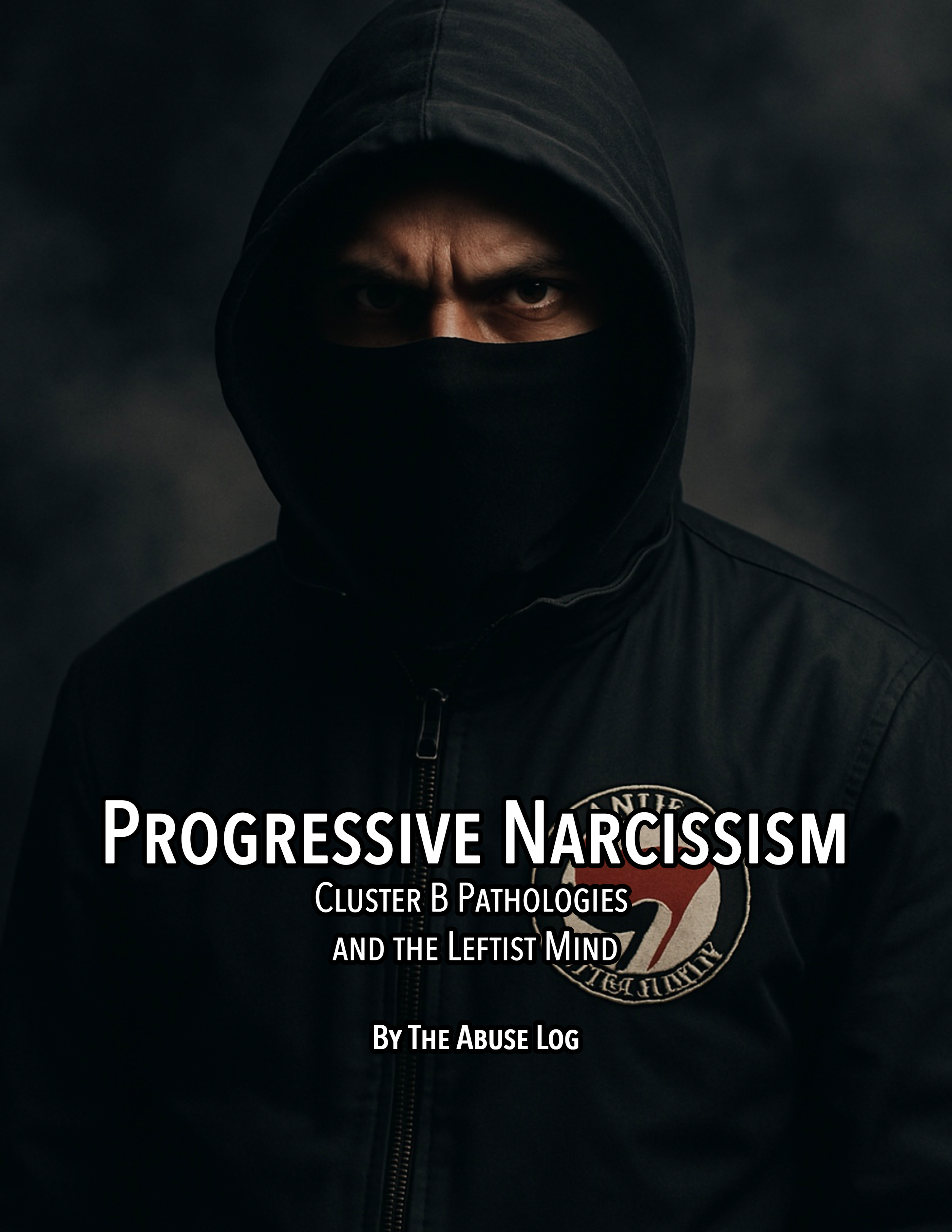
Progressive Narcissism reveals how modern progressive ideologies mirror Cluster B personality disorders—narcissism, borderline, histrionic, and antisocial traits. Through psychological, political, and cultural analysis, it exposes how emotional manipulation, fragility, and coercion now define activism, replacing truth with identity and order with chaos.

Transgender Ideology in a Narcissistic Age is a provocative and deeply researched cultural critique that exposes the psychological, medical, theological, and societal roots of transgender ideology. Drawing from diagnostic frameworks, biblical truth, and ethical medicine, The Abuse Log argues that the movement mirrors the traits of Cluster B personality disorders—particularly narcissism—on a societal scale. From the collapse of informed consent to the grooming of children through education and media, the book reveals how identity politics have transformed into a quasi-religious orthodoxy. With clarity and compassion, it calls for a return to reality, reverence, and moral courage in the face of institutionalized delusion.
![🗂️ The Abuse Log [Basic]](https://images.squarespace-cdn.com/content/v1/65b9553c448d7e5b0ec1dfcd/4c83e581-b720-4cbe-83b1-2d72e7a9ac8a/Logo+Gumroad-Basic.png)
The Basic tier of The Abuse Log provides a solid foundation for individuals beginning to recognize and document patterns of abuse. This version is designed to be user-friendly, allowing for the easy logging of incidents and reflections on personal experiences. With key features to help identify abusive behaviors, it offers essential tools for forensic documentation that can assist in both legal and therapeutic settings. Whether you are starting your journey or need a simple, effective method to track events, the Basic tier is your first step toward empowerment and clarity.
Includes:
• Incident logging templates
• Behavior identification tools
• Secure storage for sensitive data
• Basic forensic documentation options
![🗂️ The Abuse Log [Advanced]](https://images.squarespace-cdn.com/content/v1/65b9553c448d7e5b0ec1dfcd/0d44e3de-2a17-4824-abe1-13b4daabea34/Logo%252BGumroadAdvanced.webp)
The Advanced tier of The Abuse Log expands on the basics by offering a more robust set of tools for those dealing with complex or ongoing abuse situations. This version adds a variety of customizable features that cater to victims who need more detailed tracking, in-depth forensic documentation, and enhanced legal support. With integrations to help prepare legal evidence, maintain privacy, and track patterns over time, this tier is ideal for those who are engaged in legal proceedings or who want more comprehensive records to aid in therapy.
Includes:
• Everything in the Basic tier
• Expanded incident tracking with detailed categories
• Tools for organizing legal documentation and evidence
• Customizable logs for abuse patterns
• Enhanced forensic reporting options for legal or therapeutic use
• Forensic Logs
• Extensive Profiles
• Media Uploads
• Log Secondary Victims
• Log Witnesses and Proxy Abusers
• Designed for Mental Abuse
• 100+ Comprehensive Checklists
• Contact Status
• Overall Abuse Status
• Daily Journal
• Daily Emotional Inventory
• Self-Assessments
![🗂️ The Abuse Log [Professional]](https://images.squarespace-cdn.com/content/v1/65b9553c448d7e5b0ec1dfcd/7fa18cea-edf4-4325-8234-13f3527579c2/Logo+GumroadProfessional.png)
The Professional tier of The Abuse Log is engineered for those who require the most advanced tools for documenting, analyzing, and acting on abusive behaviors. Tailored for law enforcement, legal professionals, mental health experts, and others in related fields, this tier offers comprehensive features for forensic-level documentation, multi-platform data collection, and detailed reporting that meets the highest professional standards. Whether you’re building legal cases, working in therapeutic settings, or conducting investigations, the Professional tier equips you with the expert-level resources needed to make an impact.
Includes:
• Everything in the Advanced tier
• Hundreds of professional add-ons for forensic, legal, and therapeutic use
• Multi-platform data collection with secure integration options
• Advanced forensic documentation and analysis tools
• Customizable reporting formats for legal proceedings, law enforcement, and mental health settings
• Tools for creating admissible evidence and reports that meet professional standards

Cluster A Module
√ Paranoid Traits
√ Schizoid Traits
√Schizotypal Traits
Cluster B Module
√ Antisocial Traits
√ Antisocial ABUSE
√ Borderline Traits
√ Borderline ABUSE
√ BPD Associated
√ Histrionic Traits
√ Histrionic ABUSE
√ Narcissistic Traits
√ Narcissistic ABUSE
Cluster C Module
√ Avoidant Traits
√ Dependent Traits
√ Obsessive-Compulsive Traits

• Physical Abuse • Psychological Vol. 1 Abuse • Psychological Vol. 2 Abuse • Sexual Abuse • Financial Abuse • Medical Abuse • Educational Abuse • Elders Abuse • Psychologist Abuse • Lawyer Abuse….and more.


Childhood Trauma Bundle
12 Signs: Wounded Inner Child Module
10 Narcissistic Parenting Module
Attachment Styles Module
Parenting Styles Module
Enmeshment Test Module
Attachment Styles Module
Codependency Module





This product is made especially for you as soon as you place an order, which is why it takes us a bit longer to deliver it to you. Making products on demand instead of in bulk helps reduce overproduction, so thank you for making thoughtful purchasing decisions!


Dad hats aren't just for dads. This one's got a low profile with an adjustable strap and curved visor.
• 100% chino cotton twill


• 65% polyester, 35% viscose
• Athletic Heather is 52% polyester, 48% viscose
• Black Heather is 80% rayon, 20% polyester
• Fabric weight: 4.2 oz/y² (142 g/m²)
• Relaxed fit
• Low cut armholes
• Curved bottom hem
• Side seams
• Blank product sourced from Honduras, Nicaragua, the US, or Vietnam
This product is made especially for you as soon as you place an order, which is why it takes us a bit longer to deliver it to you. Making products on demand instead of in bulk helps reduce overproduction, so thank you for making thoughtful purchasing decisions!
4. A Fear of Aging and Decline
As is common among narcissists, Bernhardt could not accept the passage of time.
She refused to acknowledge aging, continuing to play young romantic leads well past an appropriate age.
She sought out younger admirers and male companions to maintain the illusion of desirability.
When critics pointed out the disconnect between her roles and her appearance, she attacked them viciously, unable to accept the reality of her own mortality.
This obsessive denial of reality is often seen in individuals with fragile self-worth. Beneath the bravado, many narcissists are deeply insecure about fading relevance. The moment they are no longer admired, they cease to know who they are.
For Bernhardt, fading from public adoration was worse than death—which is why she never retired, even when her health deteriorated.
5. The Question of True Talent
There is no doubt that Bernhardt was a skilled actress, but how much of her success was due to talent, and how much was simply the result of relentless self-promotion?
Her acting style was often criticized for being over-the-top and melodramatic, even in her time.
Unlike more versatile performers, she tended to play the same type of role repeatedly, relying on spectacle rather than range.
Many of her biggest successes were due to her ability to self-market, not necessarily her artistic genius.
While Bernhardt certainly had presence, much of her success was built on the illusion of greatness rather than true artistic mastery. Her performances were larger than life, but they were also crafted to maximize her own self-image rather than serve the material.
This is the narcissist’s dilemma: Are they truly exceptional, or are they simply better at making others believe they are exceptional?
Final Thoughts: Narcissism as a Double-Edged Sword
Sarah Bernhardt was not just a narcissist—she was an aggressively controlling, emotionally exploitative self-mythologizer who cared more about perception than reality. She was a woman who demanded unwavering devotion while giving little in return, who manipulated public sympathy to maintain her own status, and who constructed an empire based on her own inflated sense of importance.
Unlike many figures who are celebrated for their brilliance despite their arrogance, Bernhardt’s success was inseparable from her narcissism. Her ability to convince the world of her divinity was the real art she perfected—not acting itself.
The modern-day female narcissist, whether in entertainment, politics, or business, often follows this exact formula:
Create a grandiose image.
Control the narrative.
Exploit loyalty and discard those who fail to serve.
Maintain absolute control over perception, even at the cost of truth.
Fear and deny any sign of irrelevance.
Sarah Bernhardt wasn’t just a diva—she was the blueprint for self-serving theatrical narcissism. Whether or not history should admire or critique her depends on how much one values manipulation as a tool for success.
Was she a visionary or just a talented con artist? That answer depends on how well one separates skill from spectacle.